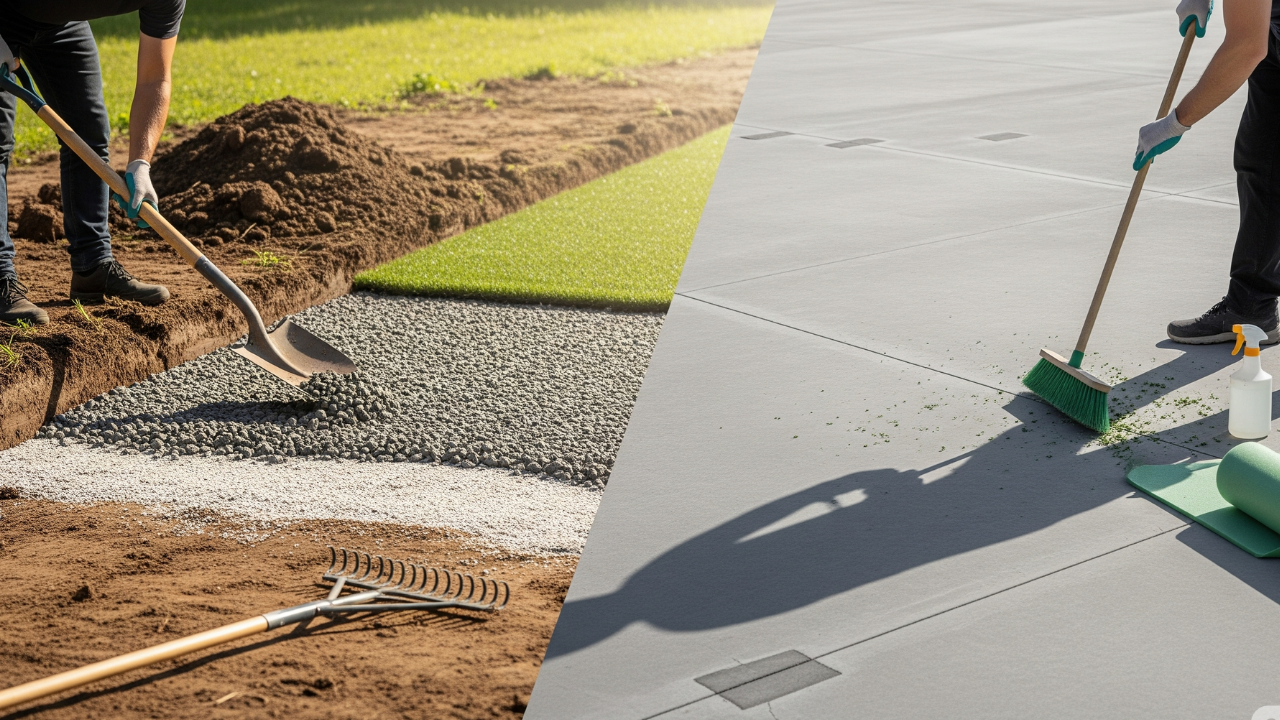
Artificial grass has become a go-to choice for many Perth, Western Australia, homeowners and businesses. With its lush look, low maintenance, and ability to withstand harsh weather, it’s no wonder people are choosing it over natural turf. But the big question often asked is: How to lay artificial lawn correctly?
The process depends on the surface. Laying artificial grass on soil differs from laying it on concrete; each option has its steps. In this guide, we’ll break it down so you can understand what’s involved, what tools you’ll need, and how to make your new lawn look perfect.
Why Perth is Choosing Artificial Grass
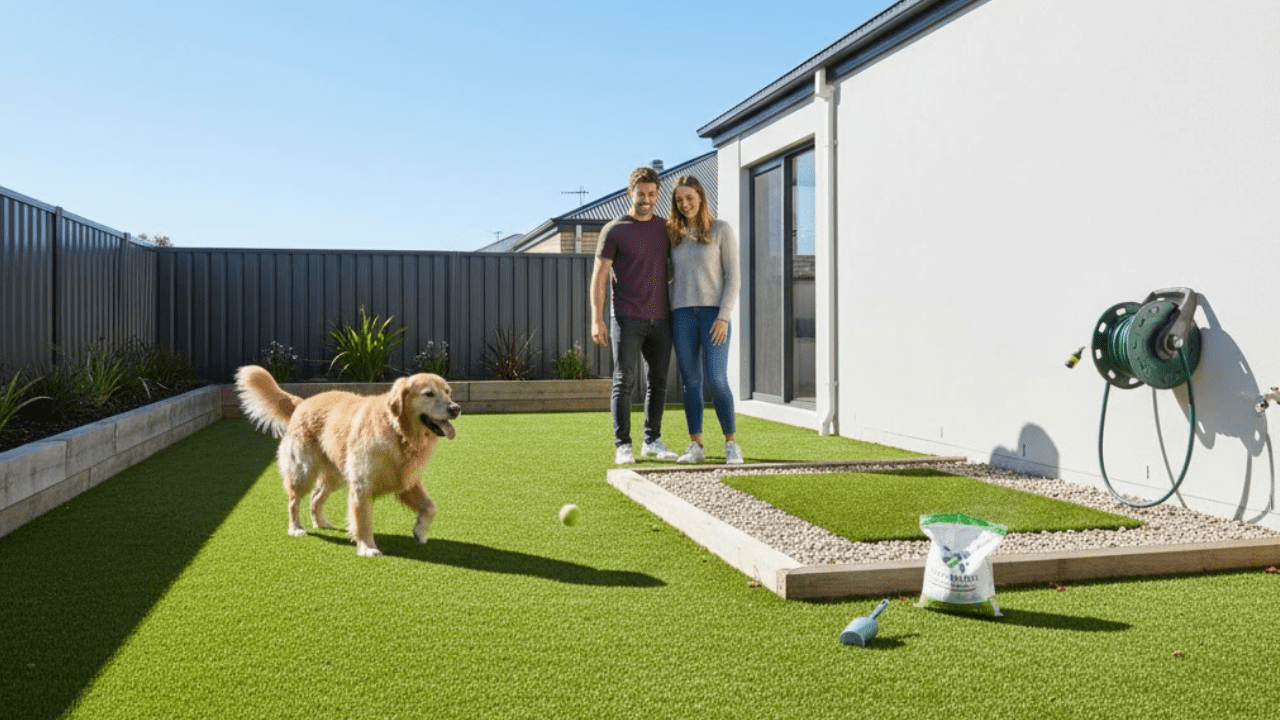
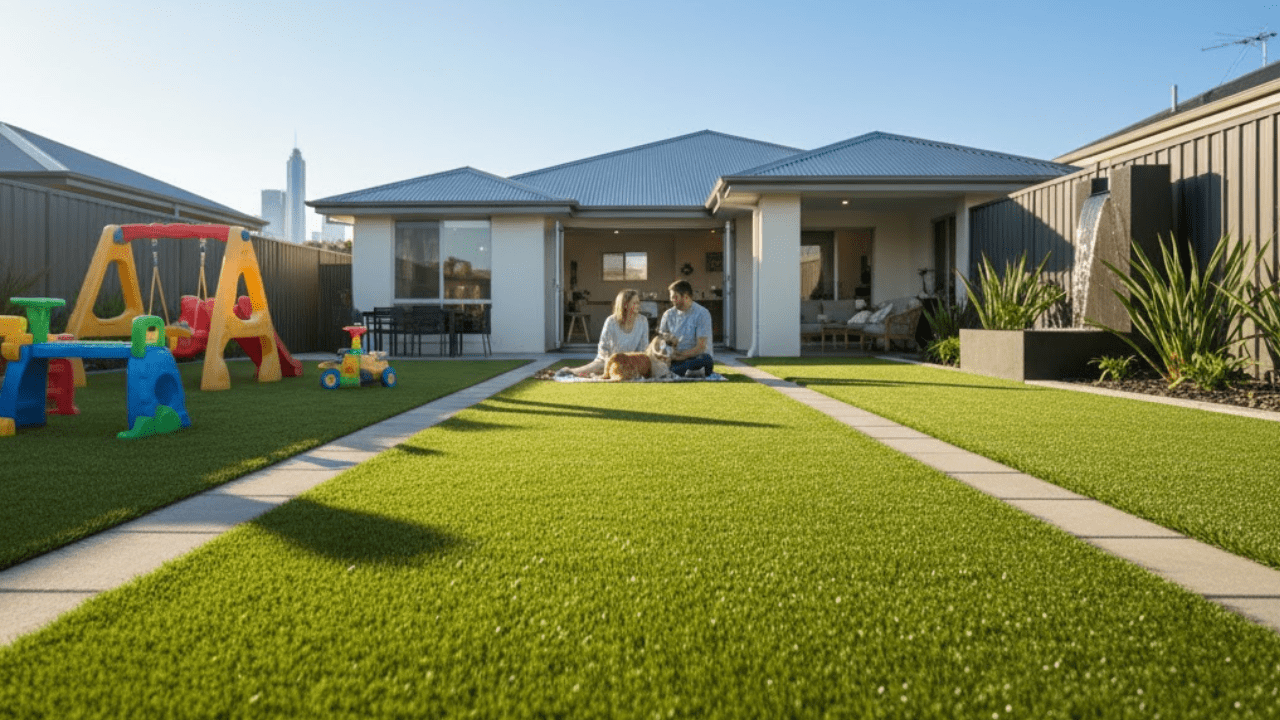
Perth’s climate makes it challenging to maintain natural lawns. Long, dry summers and water restrictions mean grass often turns brown and patchy. Artificial turf offers:
- Year-round greenery.
- Savings on water and fertilisers.
- No weekend mowing.
- Durability in hot weather.
The first step in creatinggrass correctly a low-maintenance, long-lasting lawn is knowing how to lay artificial lawn properly is the first step.
Key Difference: Laying on Soil vs Laying on Concrete
The preparation stage is the main difference:
- On soil: You must remove existing grass, level the surface, and install a compacted base.
- On concrete: You must clean, repair, and add a shock pad or drainage layer before laying the turf.
Both methods ensure your lawn looks natural and lasts longer.
Tools and Materials You’ll Need
Before starting, gather these essentials:
- Artificial grass rolls.
- Crushed rock and sand (for soil).
- Shock pad or drainage layer (for concrete).
- Weed membrane.
- Turf cutter or shovel.
- Rake and compactor.
- Utility knife.
- Joining tape and adhesive.
- A broom for brushing fibres upright.
How to Lay Artificial Lawn on Soil
Follow these steps to install turf on soil:
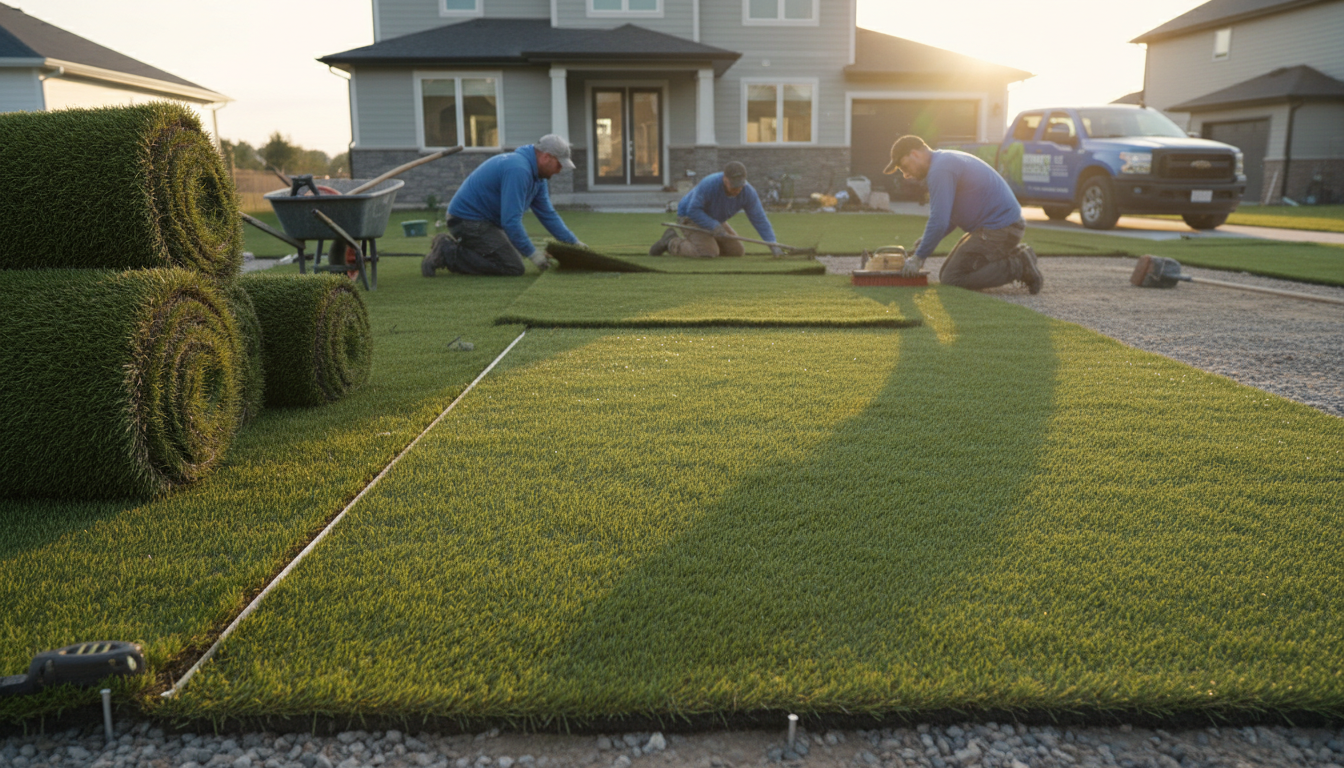
Step 1: Remove Existing Lawn
Clear away grass, weeds, roots, and debris. Use a turf cutter for larger areas.
Step 2: Excavate and Level
Dig down 80–100mm to allow room for the base and turf. Make sure the surface is even.
Step 3: Add Weed Membrane
Lay a weed barrier to prevent regrowth.
Step 4: Add the Base
Fill with crushed rock and sand. Compact it firmly using a compactor. The base layer creates good drainage and stability.
Step 5: Lay the Turf
Roll out the artificial grass, ensuring the grain runs the same way across the lawn.
Step 6: Cut and Join
Trim edges with a utility knife. Use joining tape and adhesive to connect seams.
Step 7: Secure the Edges
Pin down the grass with nails or turf pegs around the perimeter.
Step 8: Brush the Lawn
Use a stiff broom to lift the blades for a natural look.
How to Lay Artificial Lawn on Concrete
Lying on concrete is quicker but needs the proper preparation:
Step 1: Clean the Surface
Remove dirt, dust, and loose debris: repair cracks and uneven patches.
Step 2: Check Drainage
Make sure water can flow away. If not, drill small holes or add a drainage layer.
Step 3: Install a Shock Pad
Lay a foam pad to make the lawn softer and safer. Good drainage and stability are essential for play areas.
Step 4: Lay the Turf
Roll out the grass and let it rest for a few hours to flatten.
Step 5: Cut and Secure
Trim to size. Use adhesive around the edges and at joins to keep it in place.
Step 6: Brush the Fibres
Finish by brushing the grass so the blades stand upright.
Checklist: How to Lay Artificial Lawn
Here’s a quick guide you can follow for both surfaces:
| Step | On Soil | On Concrete |
| Remove old grass | ✔️ | Not needed |
| Excavate and level | ✔️ | Fill cracks |
| Weed membrane | ✔️ | Optional |
| Base (rock + sand) | ✔️ | Not needed |
| Drainage check | ✔️ | ✔️ |
| Shock pad | Optional | ✔️ |
| Roll out turf | ✔️ | ✔️ |
| Cut and join | ✔️ | ✔️ |
| Secure edges | Pins | Adhesive |
| Brush fibres | ✔️ | ✔️ |
Cost of Laying Artificial Lawn in Perth
Understanding cost is just as important as learning how to lay artificial lawn.
- On soil: $60–$100+ per m² (including base work).
- On concrete: $50–$90+ per m² (less prep needed).
Factors that affect the cost include turf quality, area size, drainage needs, and labour.
Common Mistakes to Avoid
- Skipping the base on soil – without it, the lawn will sink.
- Poor drainage on concrete – water pooling can damage the turf.
- Visible seams – always line up the grain in the same direction.
- Not brushing fibres – this makes the grass look flat.
Benefits of Professional Installation in Perth
While DIY is possible, many Perth homeowners choose expert installation for peace of mind. Professionals:
- Prepare surfaces correctly.
- Ensure perfect joins and drainage.
- Provide warranties on turf and work.
If you’re unsure how to lay artificial lawn, a local installer can save time and prevent costly mistakes.
WA-Specific Tips
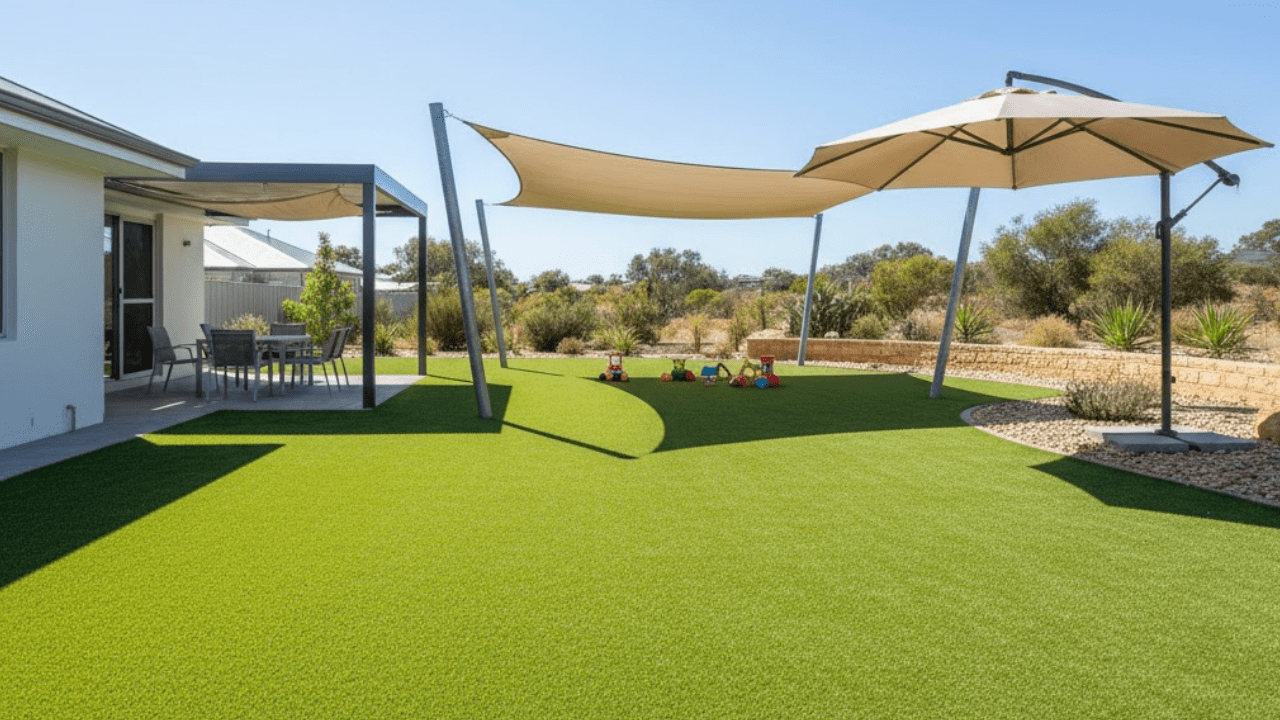
- Heat: Artificial grass can get hot in Perth summers. Consider lighter-coloured turf or cooling infills.
- Water restrictions: Synthetic turf reduces water use, a significant advantage in WA’s dry climate.
- Local soil: Sandy soils may need extra compaction to stop shifting.
Final Thoughts
Learning how to lay artificial lawn on soil and concrete helps you understand what’s involved in transforming outdoor spaces. Both surfaces require different preparation, but the result is the same: a beautiful, low-maintenance lawn that works in Perth’s climate.
If you want your lawn to last for years without the stress of DIY, a local installer can help design, supply, and install artificial grass tailored to your property.
Upgrade Your Outdoor Space Today
Ready to upgrade your outdoor space? Contact Artificial Grass Perth today for expert advice and a free quote on your installation.