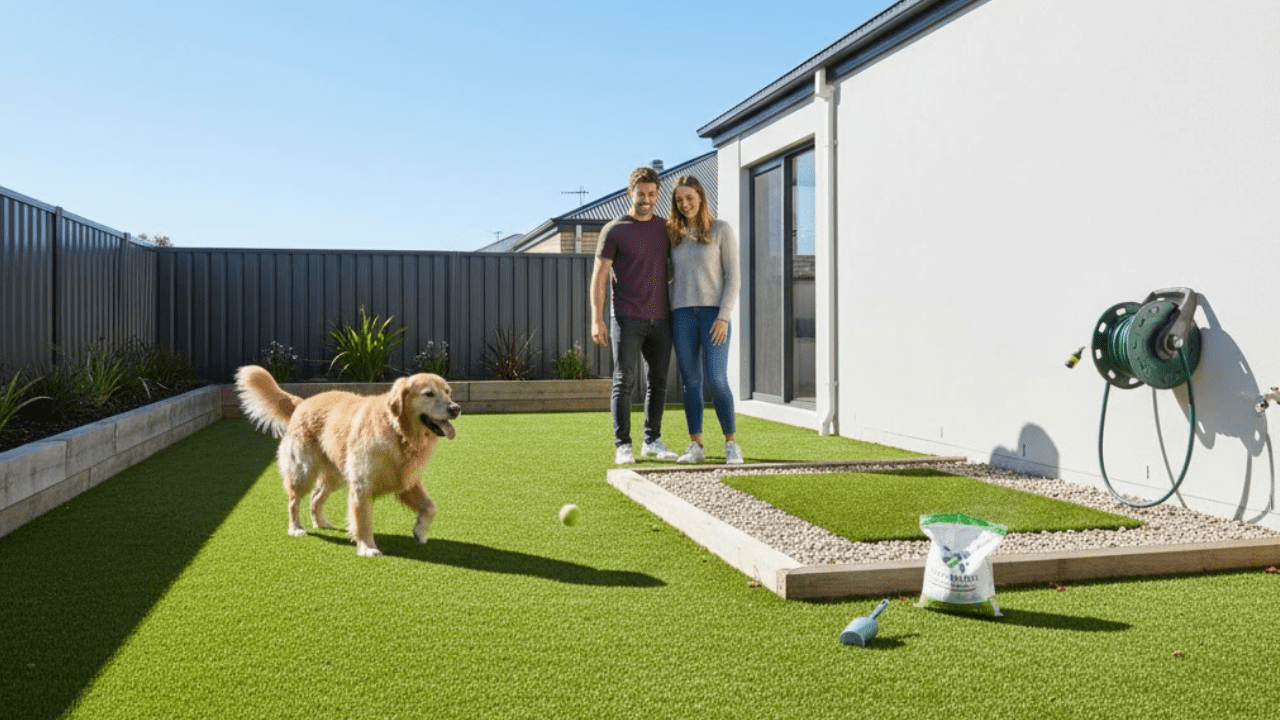
Pets bring life and joy to our homes, but they can also create a few challenges when it comes to lawn maintenance. One of the most common issues for Perth homeowners is managing artificial turf dog urine and keeping outdoor areas smelling fresh.
With Perth’s warm climate and love for outdoor living, it’s no surprise that synthetic lawns are a popular choice for pet owners. The good news is that with the proper care and cleaning methods, artificial turf dog urine doesn’t have to be a problem.
This guide shares practical, easy-to-follow steps to help you keep your turf clean, odour-free, and enjoyable for both pets and people.
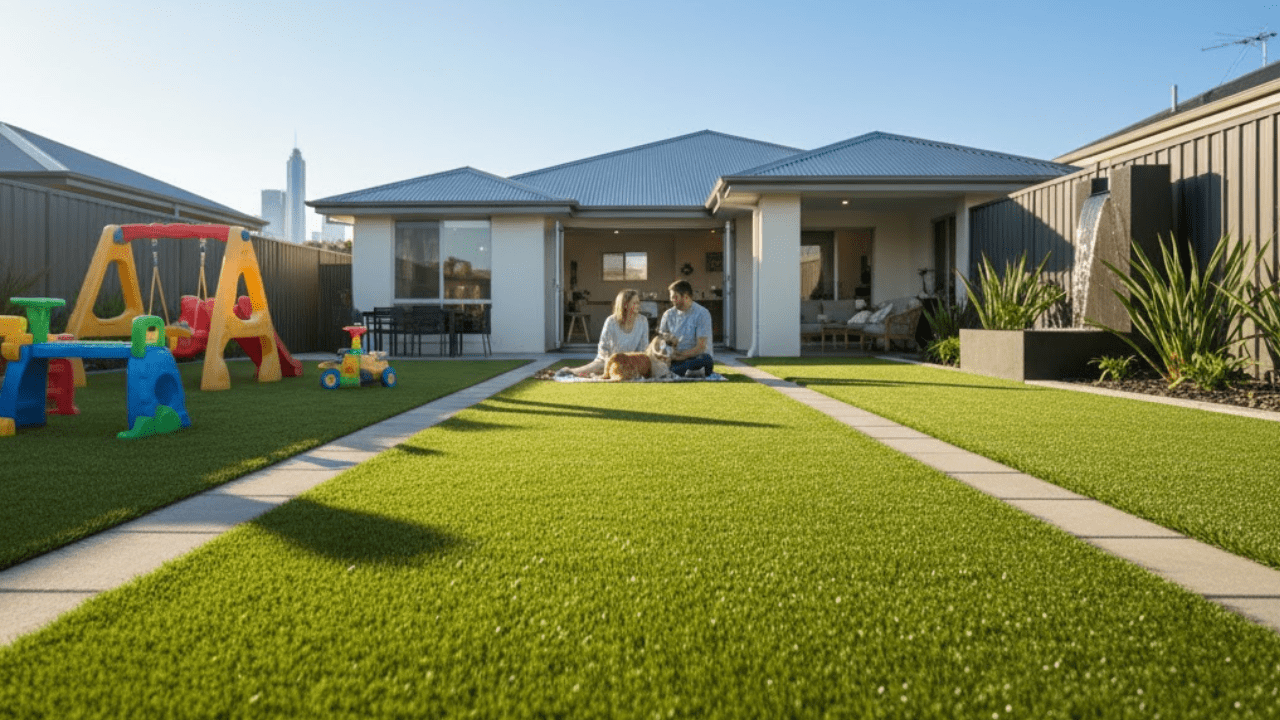
Why Pet Owners in Perth Choose Artificial Turf
Many Perth pet owners switch to synthetic grass because it’s easy to maintain, water-efficient, and durable. It stands up well to playtime, digging, and changing weather conditions.
Artificial lawns also eliminate muddy paws, brown patches, and uneven growth caused by dog urine. However, even though artificial turf dog urine doesn’t damage the grass, it can sometimes leave unpleasant smells if not cleaned properly.
Understanding why this happens is the first step to controlling odours effectively.
Why Dog Urine Causes Odours on Artificial Turf
Dog urine contains ammonia and nitrogen compounds that can build up over time. Unlike natural grass, which absorbs and breaks down these compounds, synthetic turf relies on drainage and cleaning to remove them.
In Perth’s hot and dry conditions, urine can evaporate quickly but leave behind crystals that cause lingering smells, especially in high-traffic areas.
The key is to manage artificial turf dog urine before it becomes a recurring issue. Regular maintenance and clever turf design make a big difference.
How Proper Installation Helps Prevent Odour Problems
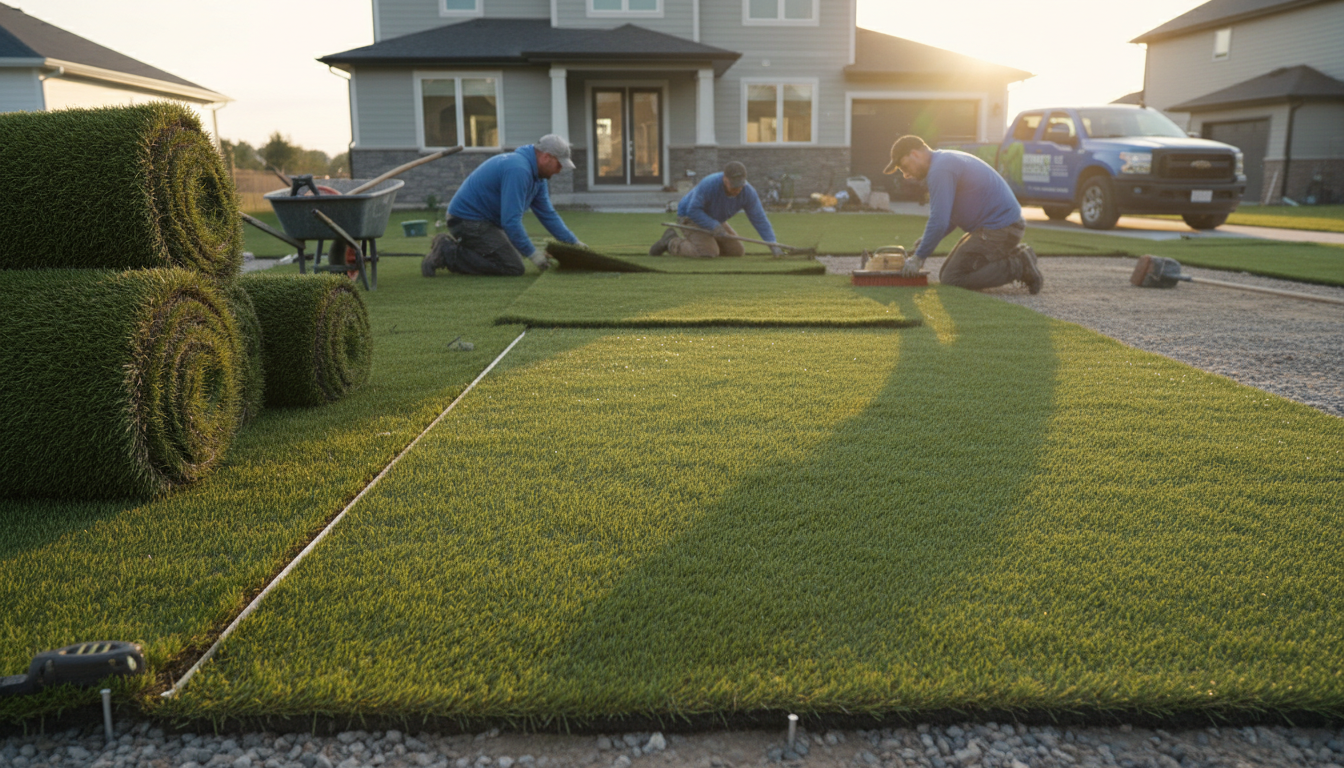
Sound installation is one of the most effective ways to prevent artificial turf dog urine smells. The right base materials and drainage systems allow liquids to flow away instead of sitting beneath the surface.
Here are some professional installation tips used by Perth experts:
- Use a permeable base: Crushed rock or road base promotes efficient drainage.
- Install drainage layers: Helps urine pass through rather than pool underneath.
- Apply pet-friendly infill: Silica sand or zeolite infill can absorb odours and moisture.
- Include a slight slope: Encourages water and urine runoff.
When properly installed, your turf can handle daily pet use with fewer odour issues.
Daily and Weekly Cleaning Routine for Pet Turf
Keeping turf fresh doesn’t have to be complicated. A regular cleaning schedule helps manage artificial turf dog urine effectively.
Daily Care:
- Rinse the turf lightly with water, especially in frequently used areas.
- Pick up solid waste as soon as possible to prevent bacterial growth.
Weekly Care:
- Give the turf a more thorough rinse using a hose or low-pressure sprayer.
- Brush the fibres with a stiff broom to keep them upright and allow air to circulate.
- Use a mild, pet-safe turf cleaner if odours start to appear.
These small steps prevent urine crystals from building up and keep your lawn looking and smelling fresh.
Monthly Deep Cleaning Tips
Once a month, it’s helpful to give your lawn a deeper clean to neutralise any lingering artificial turf dog urine smells.
Here’s how:
- Mix a cleaning solution – Combine one part white vinegar with three parts water.
- Apply evenly – Use a garden sprayer to mist the turf, especially in areas with pets.
- Let it sit – Allow the solution to soak for 10–15 minutes.
- Rinse thoroughly – Hose down the area to flush out any residue.
Alternatively, enzyme-based turf cleaners available in Perth can help break down organic matter without harming pets or the environment.
Best Turf Infill Options for Pet-Friendly Lawns
Infill plays a vital role in controlling artificial turf dog urine. It supports turf blades, aids drainage, and helps neutralise smells.
Here’s a quick comparison:
| Infill Type | Benefits | Notes |
| Silica Sand | Affordable, improves stability | May not absorb odour effectively on its own |
| Zeolite | Natural odour neutraliser, absorbs ammonia | Ideal for pet areas in Perth |
| Organic Odour Control Granules | Environmentally friendly, long-lasting | Works best when combined with regular rinsing |
For Perth pet owners, zeolite is often the preferred choice because it helps absorb urine smells naturally and withstands WA’s dry climate.
How to Keep Your Turf Cool and Odour-Free in Summer
Perth’s summer heat can intensify the smell of artificial turf dog urine, especially when turf surfaces get hot.
Here are some cooling and cleaning strategies:
- Water in the morning or late evening – This reduces evaporation and keeps turf cool.
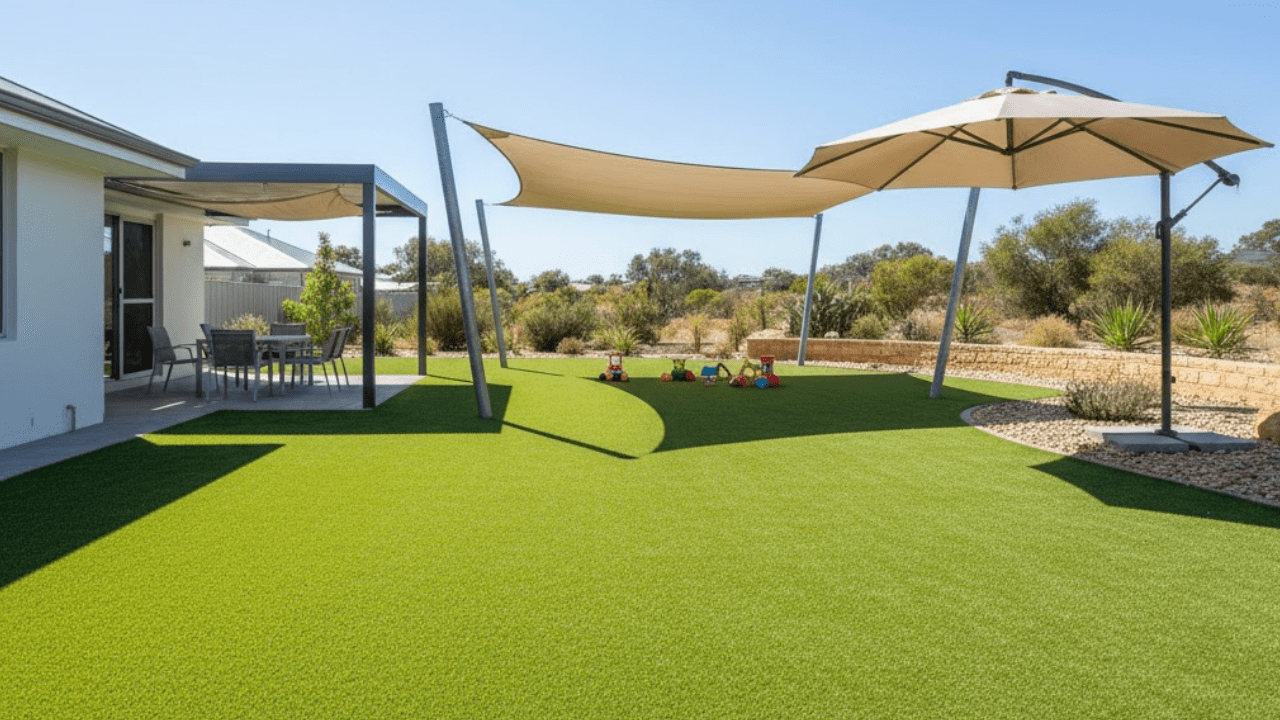
- Install shade sails or umbrellas – Helps reduce direct sunlight and temperature.
- Use cooling infill – Silica sand or coated infills lower surface heat.
- Increase rinsing frequency – During summer, rinse two to three times per week.
These small changes help prevent heat-related odour build-up and maintain comfort for pets.
Eco-Friendly Cleaning Solutions
Perth residents are becoming more environmentally conscious, and many prefer sustainable methods for managing artificial turf dog urine.
Here are eco-friendly cleaning tips:
- Vinegar and water solution: Safe for pets and effective for neutralising odours.
- Baking soda mix: Sprinkle lightly before rinsing for an extra deodorising effect.
- Enzyme cleaners: Use biodegradable, plant-based formulas available from local suppliers.
Avoid harsh chemicals like bleach, which can damage turf fibres and harm pets.
Signs It’s Time to Deep Clean Your Turf
Sometimes, odour issues sneak up gradually. Here are signs that your turf might need a deeper clean or additional maintenance:
- Persistent urine smell, especially after rinsing
- Turf feels sticky or slippery in high-use areas.
- Water doesn’t drain as quickly as usual.
- Visible discolouration or residue buildup
If these signs appear, focus on thoroughly cleaning the affected area and ensuring the drainage system remains clear.
How Weather Affects Turf Hygiene
Perth’s climate influences how artificial turf dog urine. In dry weather, ammonia can crystallise quickly, leading to more pungent smells. During wet weather, rain can help rinse the surface but may push odour deeper if drainage is poor.
Adjust your cleaning routine with the seasons:
- Summer: Increase rinsing and ventilation.
- Winter: Check drainage to prevent pooling.
- Autumn/Spring: Brush turf fibres regularly to maintain airflow.
Following a seasonal approach ensures long-term freshness and hygiene.
Real Project Example: Scarborough Artificial Grass Sand Issue Solution
The Scarborough Artificial Grass Sand Issue Solution by Artificial Grass Perth demonstrates the effectiveness of odour control and maintenance in practice.
This project demonstrates how innovative turf design and proper infill selection can address drainage and cleanliness challenges in coastal Perth suburbs. The team used a combination of high-quality materials and strategic drainage design to prevent artificial turf from being affected by dog urine, ensuring the area remained fresh, safe, and easy to maintain.
Projects like this highlight how the proper installation and maintenance practices can transform even challenging locations into durable, low-odour spaces.
Perth Homeowner’s Checklist for Fresh, Pet-Friendly Turf
| Task | Frequency | Purpose |
| Rinse turf surface | Daily or every other day | Flush out urine and dirt |
| Pick up solid waste | As needed | Prevent bacteria and odours |
| Deep clean with vinegar or enzyme cleaner | Monthly | Remove crystals and ammonia |
| Brush fibres upright | Weekly | Improve air circulation |
| Inspect drainage | Every 3 months | Prevent pooling or residue build-up |
| Replace infill (if needed) | Every 1–2 years | Maintain odour control effectiveness |
This simple checklist helps Perth pet owners maintain their lawn in top condition all year round.
The Role of Airflow and Ventilation
Good airflow helps turf dry faster and reduces odour risks. When installing or maintaining turf in fenced yards or shaded areas, ensure there’s enough air circulation.
You can:
- Trim nearby plants or shrubs to improve air movement.
- Use low garden edging that doesn’t block airflow.
- Avoid covering turf areas completely with furniture or mats.
Healthy airflow is one of the easiest ways to naturally control artificial turf dog urine odours.
Pet Hygiene Tips for Cleaner Turf
Pet care routines can make a significant difference in keeping your lawn healthy and fresh.
- Encourage specific toilet spots: Train your dog to use a designated area of the turf.
- Provide plenty of water: Hydrated pets produce less concentrated urine.
- Clean paws after walks: Keeps dirt and bacteria off your lawn.
- Use pet-safe turf sprays, available from local Perth suppliers, to reduce bacteria.
Small changes in your pet’s routine can significantly reduce odour build-up on synthetic lawns.
Managing Multiple Pets or High Traffic Areas
If you have more than one dog or live in a multi-pet household, artificial turf dog urine management becomes even more critical.
Consider these strategies:
- Increase cleaning frequency: Rinse daily and deep clean weekly.
- Use odour-neutralising infill: Zeolite is ideal for multiple-pet areas.
- Install a rinse point: A nearby outdoor tap or hose makes cleaning easier.
- Divide pet zones: Rotate areas to allow sections to dry thoroughly.
These practical steps help keep the turf hygienic and fresh, even with multiple pets using the same space.
Professional Maintenance Support
While most homeowners can manage turf cleaning themselves, occasional professional servicing can help restore the freshness and drainage of their turf. Perth-based turf specialists can use commercial-grade enzyme cleaners and deep rinsing systems to break down stubborn odours.
Professional maintenance also helps assess whether the infill or drainage layers need refreshing to improve the handling of artificial turf dog urine.
Health and Safety Considerations
Using pet-safe cleaning products is essential for both animals and families. Avoid harsh bleaches, detergents, or acidic cleaners. Always check labels for eco-friendly and non-toxic options.
After cleaning, let the turf dry completely before allowing pets to return to it. Choosing the right pile height and implementing a proper cleaning routine ensures comfort, safety, and optimal hygiene.
How to Refresh Older Synthetic Turf
Over time, older lawns may develop odours more quickly because infill loses its absorbency. If your turf is several years old, it may benefit from an upgrade or partial refurbishment.
Signs it might be time:
- Drainage problems
- Persistent smells despite cleaning
- Flattened or discoloured fibres
Refreshing the infill layer or improving the base structure can renew performance and make your turf easier to clean.
Long-Term Benefits of Regular Maintenance
Consistent care not only controls artificial turf dog urine but also extends the life of your turf.
Benefits include:
- Fresher outdoor spaces all year round
- Reduced bacteria growth
- Longer-lasting turf colour and softness
- Better air quality and hygiene
For Perth homeowners who enjoy outdoor living, this means more time relaxing and less time worrying about odours.
Keep Your Perth Lawn Fresh and Pet-Friendly
Dealing with artificial turf dog urine doesn’t have to be difficult. With simple habits, regular rinsing, and the right products, you can maintain a clean, fresh-smelling lawn that both you and your pets will love.
Whether it’s choosing the proper infill or establishing a quick cleaning routine, small actions can make a big difference in long-term turf performance.
If you’d like expert guidance or help designing a low-odour pet lawn, contact Artificial Grass Perth. Our team can provide tailored advice and turf solutions suited to Perth’s climate, pets, and lifestyle.