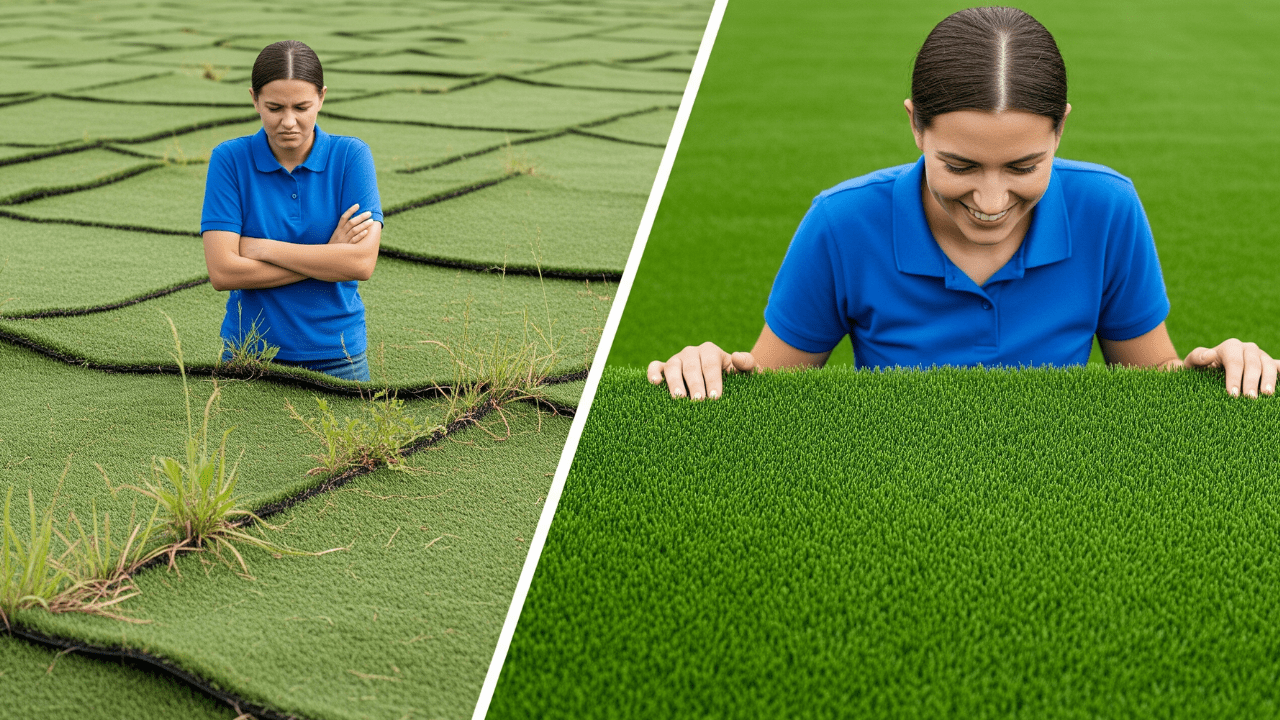
Artificial grass is becoming popular for homes and businesses across Perth, Western Australia. It offers a green, low-maintenance solution for outdoor areas where natural lawn struggles with heat, sand, or water restrictions. Many homeowners and property managers want to learn how to install fake grass to save money.
While this can be done with the proper knowledge, common mistakes may lead to extra costs, wasted time, or a less-than-ideal finish. This guide highlights seven costly errors to avoid when learning how to install fake grass in WA and shares practical tips to help you achieve a long-lasting and natural-looking result.
Why Perth Homes and Businesses Choose Fake Grass
Before diving into the errors, it’s essential to understand why synthetic turf is growing in demand across Perth and regional WA:
- Water conservation: WA’s hot summers and strict watering rules make it challenging to maintain a natural lawn.
- Low maintenance: No mowing, fertilising, or spraying.
- Durability: Stands up to heavy use in schools, commercial spaces, and backyards with kids and pets.
- All-year greenery: Stays green even in sandy or shaded areas.
Learning how to install fake grass properly means you can enjoy these benefits for many years. Let’s look at what to avoid.
1. Skipping Proper Ground Preparation
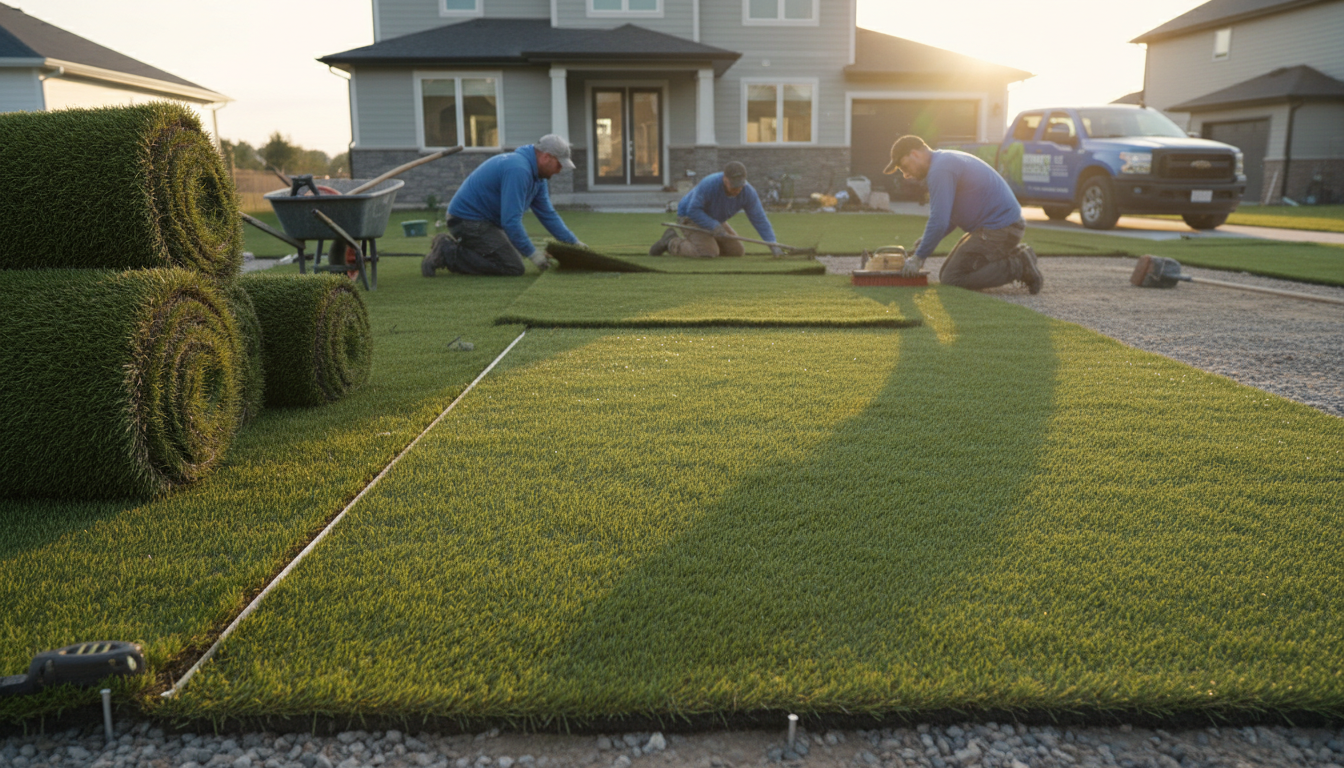
One of the biggest mistakes when working out how to install fake grass is rushing the preparation stage. Perth’s sandy soils and uneven ground cause problems when builders do not prepare the base correctly.
What can go wrong:
- Uneven surfaces that cause dips or bumps.
- Poor drainage leading to water pooling.
- Weeds growing through the turf.
Best practice in WA:
- Remove the existing lawn and at least 80–100mm of soil.
- Lay a compacted road base or crushed rock layer.
- Add a layer of cracker dust to create a smooth, stable finish.
- Ensure proper levelling for water run-off.
Checklist: Preparing the Base
| Step | Action | Why It Matters |
| 1 | Remove old grass and soil | Prevents regrowth |
| 2 | Compact road base | Creates stability |
| 3 | Add cracker dust | Smooths the surface |
| 4 | Level and slope | Helps with drainage |
2. Not Allowing for Drainage
Another standard error is forgetting Perth’s unique weather patterns. While summers are dry, winter rains can be heavy. If drainage is not considered, fake grass may pool with water.
What can go wrong:
- Puddles are forming on the surface.
- Growth of mould or odours.
- Turf backing is breaking down faster.
Best practice in WA:
- Ensure the base has a slight slope for water to escape.
- Use turf with a perforated backing for drainage.
- Install drainage channels in areas prone to heavy water build-up.
3. Choosing the Wrong Turf Type
Not all synthetic turf products are the same. When learning how to install fake grass, it’s easy to pick the cheapest option without considering how it suits Perth conditions.
What can go wrong:
- Turf that looks too shiny or fake.
- Low UV resistance that fades quickly under WA sun.
- Grass fibres that flatten in high-traffic areas.
Best practice in WA:
- Choose UV-stabilised turf designed for Australian climates.
- Match pile height to the purpose (shorter for pets or sports, longer for lawns).
- Check for warranties and quality standards.
4. Poor Joining Techniques
Joining two or more pieces of turf is often where DIY installations fall short. Without correct joins, seams may be visible.
What can go wrong:
- Turf sections are lifting over time.
- Noticeable gaps or lines.
- Trip hazards, especially in play areas.
Best practice in WA:
- Use proper joining tape and outdoor adhesive.
- Align turf fibres in the same direction.
- Roll and press joins firmly for a seamless finish.
5. Not Securing the Turf Correctly
In Perth’s coastal suburbs, strong winds can lift turf if it isn’t secured correctly. Failing to fix edges is another mistake.
What can go wrong:
- Turf shifting over time.
- Edges curling upwards.
- Increased wear around pathways and play zones.
Best practice in WA:
- Secure the perimeter with U-pins or turf nails every 200–300mm.
- Anchor joins and high-traffic zones.
- Use timber or concrete edging for a clean boundary.
6. Ignoring Infill Application
Infill (such as silica sand) helps keep fake grass blades upright and stable. Skipping this step is costly when learning how to install fake grass.
What can go wrong:
- The turf looks flat and worn too quickly.
- Increased heat absorption in summer.
- Shorter product lifespan.
Best practice in WA:
- Apply kiln-dried silica sand evenly across the surface.
- Brush infill into the fibres using a stiff broom.
- Add more over time if required, especially in high-use areas.
7. Forgetting Ongoing Maintenance
Some think fake grass is completely maintenance-free, but this is not the case. While it is much easier than a natural lawn, it still needs occasional care.
What can go wrong:
- Dust and debris are building up.
- Flattened fibres that look unnatural.
- Weeds are appearing around the edges.
Best practice in WA:
- Brush turf regularly to lift fibres.
- Rinse with water to clear dust and pet use.
- Inspect joins and edges seasonally.
Perth-Specific Considerations When Installing Fake Grass
Perth’s climate and soils create unique challenges compared with other parts of Australia. When planning how to install fake grass:
- Allow for sandy soils by compacting the base properly.
- Prepare for harsh UV exposure with high-quality, UV-stabilised turf.
- Consider local council guidelines for drainage in large areas.
- Plan edging carefully in gardens with native plants or mulch beds.
Quick Reference: Do’s and Don’ts
Do’s
- Do plan for drainage.
- Do use quality materials.
- Do brush and clean regularly.
- Do get advice from turf specialists in Perth.
Don’ts
- Don’t lay turf directly on soil.
- Don’t ignore slope and levelling.
- Don’t cut costs on infill.
- Don’t forget to secure the edges.
Soft Guide: DIY vs Professional Installation
Many people in Perth try to learn how to install fake grass themselves. With patience, it is possible to achieve a good outcome. However, professional installers often bring equipment and experience that can prevent costly errors.
If you choose DIY, plan carefully, follow best practices, and take time. If you prefer peace of mind, a trained installer can ensure your lawn looks and performs its best.
Final Thoughts
Installing synthetic turf can transform your backyard, courtyard, or commercial space into a year-round green area without the stress of watering or mowing. By avoiding these seven costly errors, you can save time and money and ensure your lawn stays neat for many years.
If you’d like expert help or advice tailored to Perth, Western Australia, contact Artificial Grass Perth today. Our team can help you choose the right turf and provide installation support.