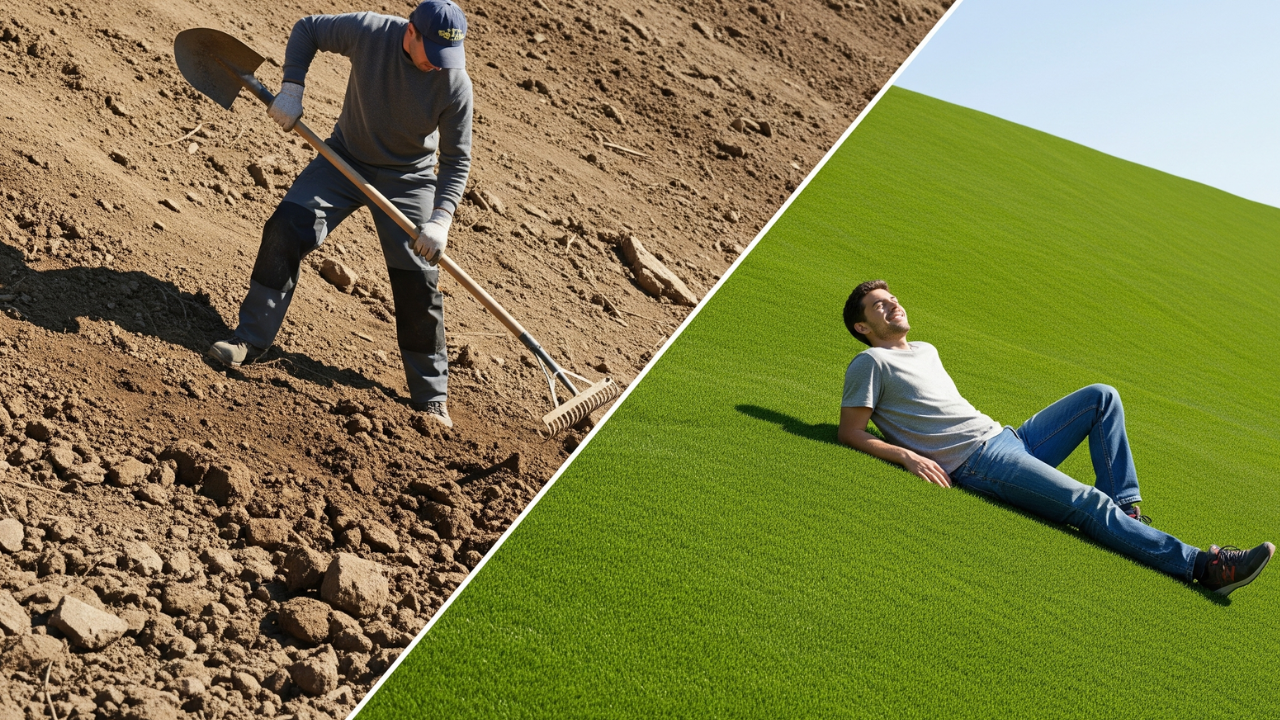
Artificial turf makes creating a beautiful, low-maintenance lawn easier than ever in Perth, Western Australia. Many homeowners and businesses have discovered the benefits of switching from natural grass to synthetic alternatives. But when it comes to tricky spaces such as sloped or uneven ground, many wonder if synthetic turf can still deliver the same smooth, green finish. The good news is that it can. With the right approach, tools, and preparation, you can learn how to install artificial turf even in challenging landscapes.
This guide covers everything you need to know, from ground preparation to finishing touches. Whether considering a DIY project or hiring professionals, you’ll understand the best practices that ensure your turf looks good, drains properly, and lasts for years.
Why Choose Artificial Turf for Sloped or Uneven Areas?
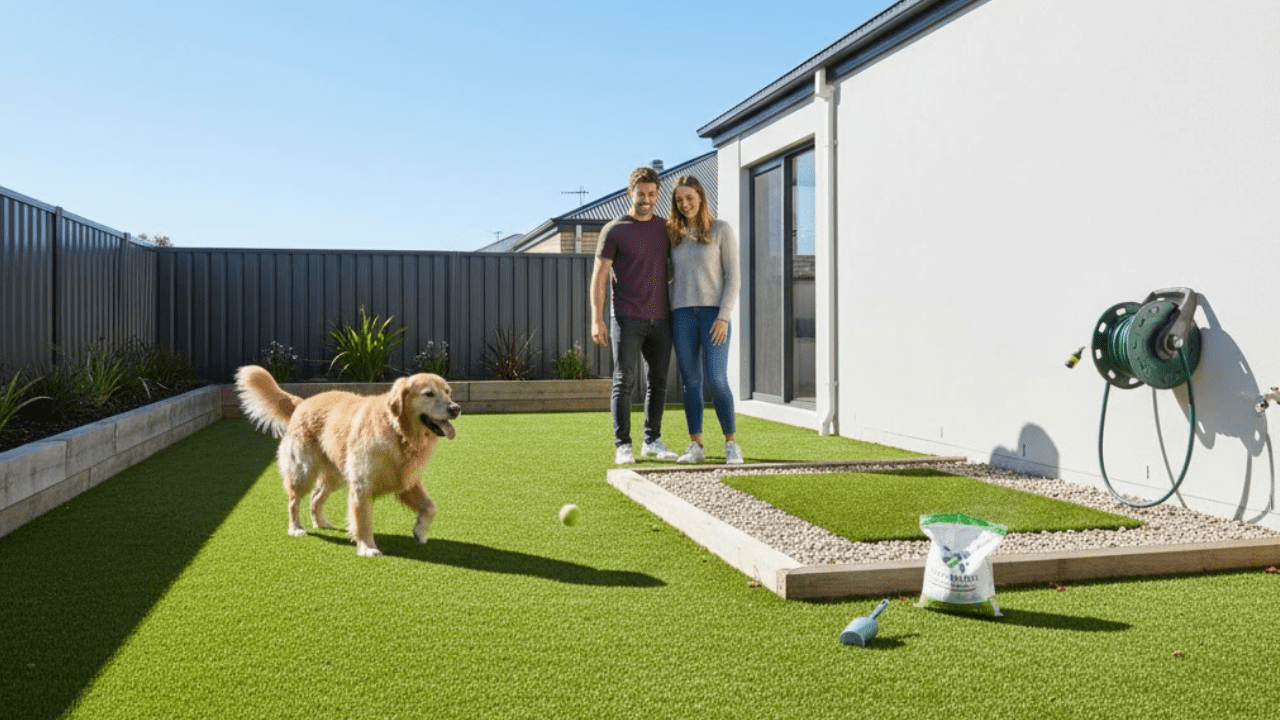
Natural grass may look lush in theory, but in Perth’s climate, it often struggles on sloped areas or uneven ground. Water runs off too quickly, leaving dry patches, while heavy rains can cause erosion or mud build-up. Artificial turf, on the other hand, offers a strong and consistent surface. It stays green all year round, does not erode, and provides a safe area for kids, pets, or entertaining.
By choosing synthetic grass, you save time, reduce water use, and eliminate the need for fertilisers or pesticides. For many Perth families, the most significant advantage is convenience. Instead of fighting with nature to maintain a lawn on tricky ground, artificial turf gives you a neat and durable surface that looks fresh without the hard work.
Preparing Sloped or Uneven Ground for Turf
Preparation is everything when learning how to install artificial turf on challenging ground. If you skip this step, your lawn may become bumpy, poorly drained, or unstable. Preparation aims to create a smooth, solid base that can handle the turf for the long term.
Start by removing all existing grass, weeds, and roots. You can use a turf cutter, spade, or herbicide to do this if needed. Once cleared, you should level the surface as much as possible. On sloped areas, the aim is not to remove the slope entirely but to even out significant dips and bumps so the turf sits flat.
The next step is to compact the soil. Proper ground preparation prevents future sinking or uneven surfaces. Installers often use a vibrating plate compactor to create a solid foundation. Adding crushed rock or road base provides extra stability and drainage for areas with poor soil. In Perth, where sandy soils are typical, a well-compacted base layer is critical to avoid shifting over time.
Installing a Strong Base
After compacting the soil, spread a layer of crushed stone or road base across the area. Depending on the slope, this should be around 60–100 millimetres thick. The base layer acts as a stabiliser and a drainage system, ensuring water flows away rather than pooling under the turf.
Extra care is needed to shape the base properly for uneven or sloped sites. You may need to build up certain areas to reduce the steepness of the slope. Creating a slight gradient to guide water away from your home or pathways is also essential. Once the base is in place, compact it thoroughly again to form a hard, even surface.
Installers usually add a thin crusher dust or sand to the crushed rock. The sand or crusher dust layer creates a smooth surface for the turf to sit on. The sand or dust should be raked level and then compacted to prevent shifting. When done correctly, this base layer ensures your turf remains stable, even on tricky ground.
Securing the Turf on a Slope
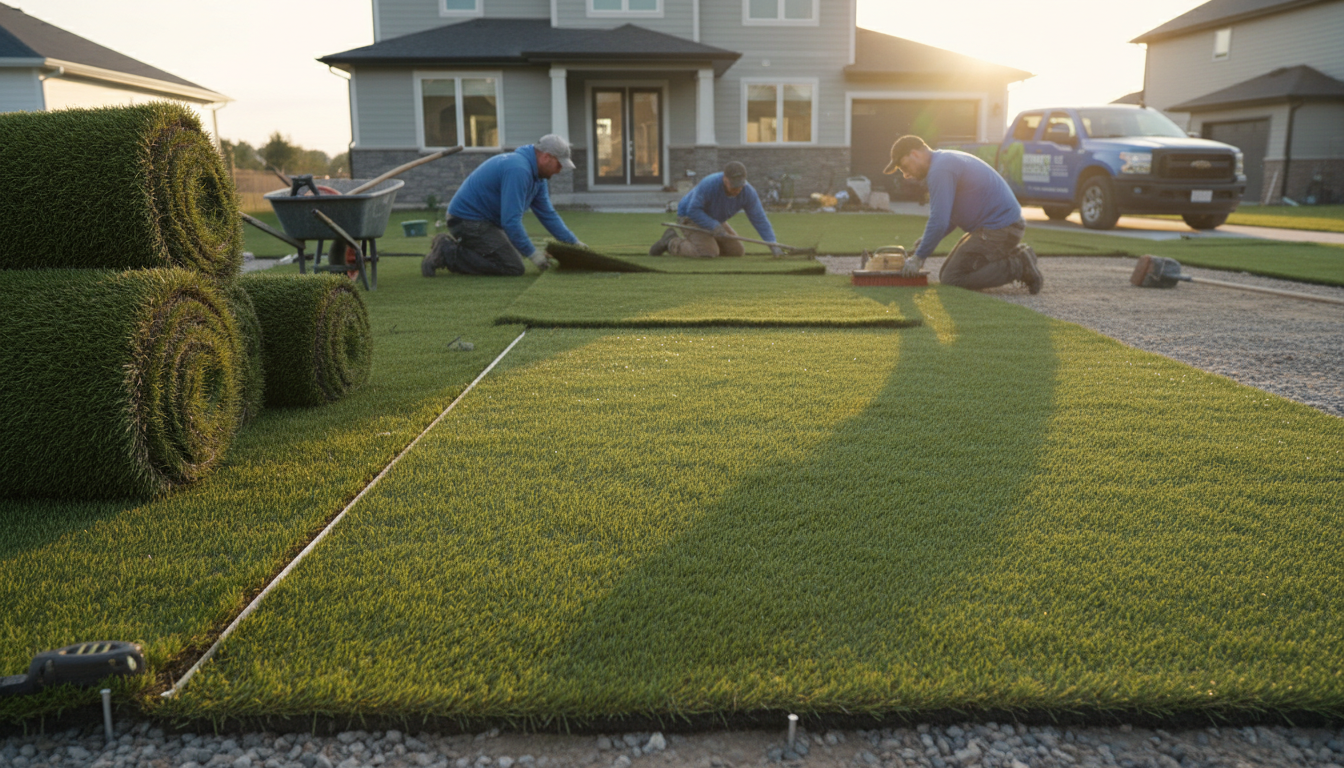
Once the base is ready, it’s time to lay the artificial turf. Roll out the turf carefully, ensuring the blades run in the same direction for a natural look. This step is simple on flat ground. But on a slope, gravity can cause the turf to shift if it’s not secured correctly.
Installers must anchor the turf firmly to prevent movement. Start by securing the top edge of the turf at the highest point of the slope. Use turf nails or U-pins hammered deep into the base. Work down the hill, stretching the turf to keep it tight and wrinkle-free. More nails or pins should be used on sloped areas than flat ones, ensuring the turf stays in place even during heavy rain or high foot traffic.
Edges are another key consideration. Installers should always fix turf to a solid border such as treated timber, concrete, or steel edging. This edging helps hold the turf in place on slopes and prevents lifting over time.
Joining Turf Pieces on Uneven Ground
Larger spaces often require more than one roll of turf. On sloped or uneven ground, joining the pieces correctly is crucial for a seamless finish. Lay the rolls side by side and trim the edges so they meet cleanly without overlapping. Place jointing tape under the seam, then apply strong adhesive for outdoor turf. Press the edges firmly together and allow the adhesive to set.
Uneven ground can make seams more visible if not handled carefully. Stretch the turf tightly before joining and ensure the base underneath is smooth. Once secured, brush the turf fibres to blend the seam and create a natural look.
Adding Infill for Stability and Comfort
Infill is an essential part of installing artificial turf. It gives the lawn a natural feel underfoot and helps weigh the turf down and keep it stable. Infill is also significant on sloped areas because it prevents the turf from shifting or wrinkling over time.
Silica sand is the most common choice for infill in Perth. It is spread evenly across the turf and then brushed with a stiff broom to settle between the blades. Anti-bacterial infills are also available to reduce odours for pet owners.
Applying the proper infill ensures the turf stays calm, stable, and comfortable. It also helps the turf resist erosion and remain firmly in place on slopes.
Drainage Considerations for Perth Conditions
Drainage is one of the biggest concerns when installing artificial grass on sloped or uneven ground. Perth’s hot summers and winter downpours mean your turf must handle both extremes. A properly prepared base with crushed rock ensures water can flow through the turf and into the ground without pooling.
On slopes, it’s essential to guide water away safely. The base should be compacted at a gradient so water naturally runs off in the right direction. Avoid letting water flow towards buildings or paved areas where flooding could occur. With good planning, artificial turf can improve drainage on your property compared to natural grass.
Maintenance Tips for Sloped or Uneven Turf
Artificial turf is low maintenance, but a few simple habits keep it looking fresh for years. On sloped or uneven ground, brushing the turf regularly helps prevent the blades from flattening and keeps infill evenly spread. Rinsing the turf occasionally with water removes dust, dirt, and pet waste.
In high-traffic areas, top up the infill every couple of years. Also, inspect the seams and edges regularly to ensure they remain secure. With these steps, your artificial turf can last up to 15 years, even in Perth’s harsh climate.
Checklist for Installing Artificial Turf on Slopes
When planning your installation, it helps to follow a clear checklist. Start by clearing the ground and compacting the soil. Build a solid base with crushed rock and a layer of sand. Roll out and secure the turf firmly, especially at the top of slopes. Join seams carefully with adhesive and jointing tape. Spread infill evenly and brush it in for stability. Finally, check drainage and edges to ensure everything is secure.
Following these steps ensures you get the best results and long-lasting turf.
Why Perth Homeowners and Businesses Prefer Artificial Turf
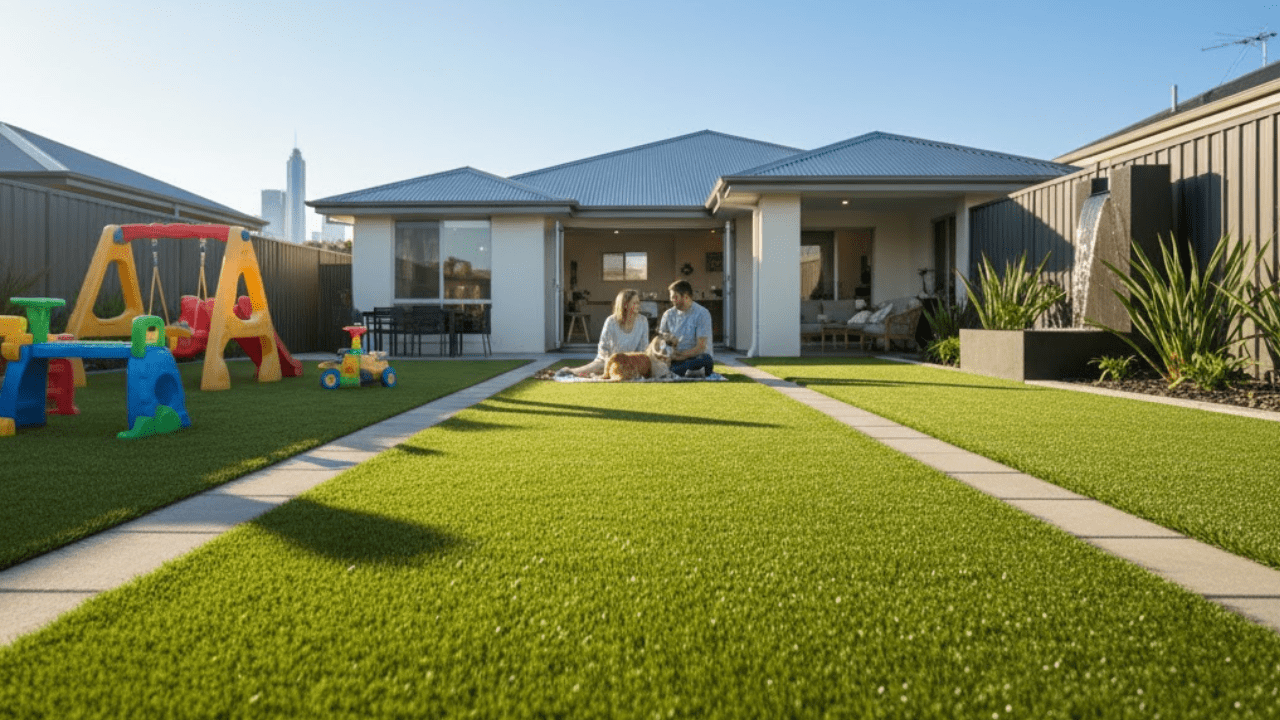
For families, artificial turf provides a safe, clean space for children and pets to play without mud or mess. For businesses, it delivers a professional look with little upkeep. On sloped or uneven areas, where natural grass often struggles, synthetic turf offers a long-term solution that saves time, water, and money.
With the proper preparation and installation, learning how to install artificial turf gives you a lawn that looks good all year round. And in Perth, where water restrictions and tough soils make lawn care difficult, the benefits are even greater.
Final Thoughts
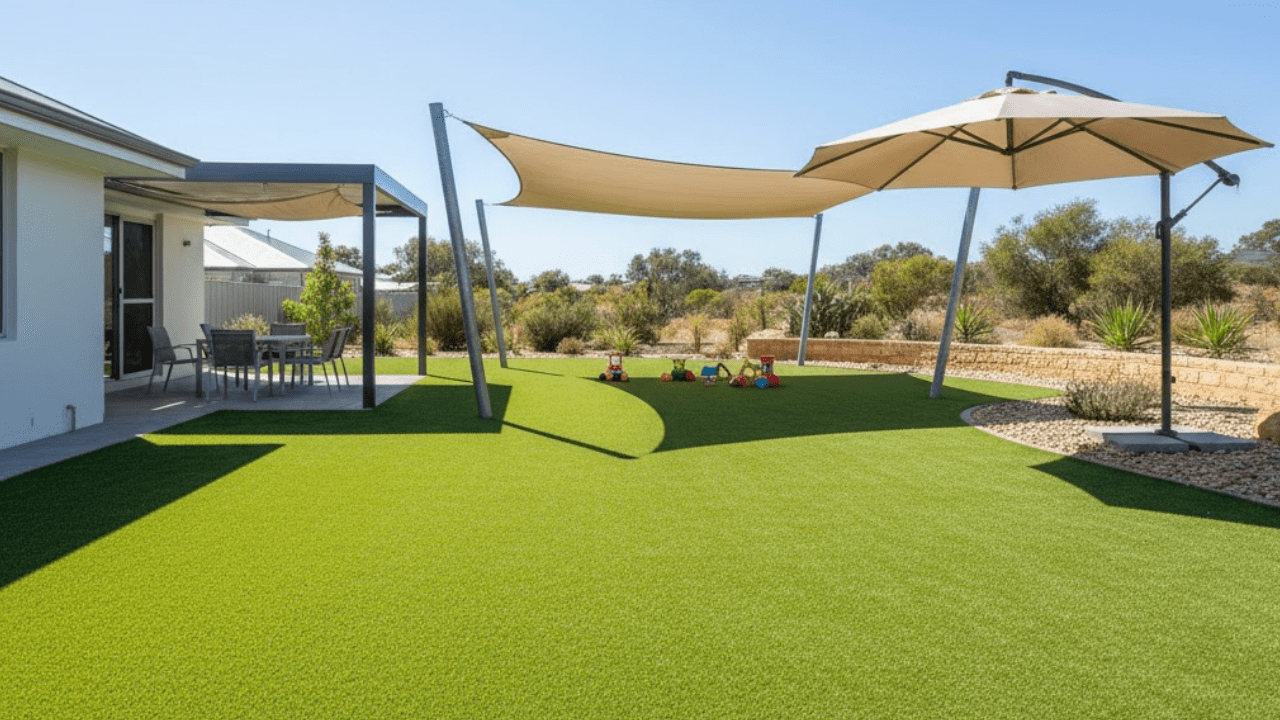
Careful preparation, the right base, and secure installation make installing turf successfully on sloped or uneven ground possible. The result is a lush, durable surface that improves your outdoor space’s look and function.
If you are ready to transform your tricky lawn into a space that’s easy to maintain and looks green all year, expert help is available.
Expert Turf Solutions for Sloped Lawns
Want to know more about how to install artificial turf on sloped or uneven ground? Contact Artificial Grass Perth today for tailored advice and a free consultation.