Artificial grass has become a reliable choice for homes, apartments, schools, and businesses across Perth, Western Australia. It stays green all year, reduces water use, and eliminates the need for mowing or fertilising. However, one issue that sometimes comes up is the presence of ants.
Although artificial turf removes many common lawn problems, some pests may still find their way into the surface, mainly if the area provides warmth, crumbs, or sandy soil. Understanding how to manage artificial grass ants is essential to keep outdoor spaces neat, safe, and enjoyable.
This guide explains why ants may appear in synthetic lawns, how to prevent them, and the best practices for long-term turf care in Perth conditions.
Why Ants Appear in Artificial Grass
Ants are resourceful insects, and Perth’s sandy soils provide an ideal habitat. Even with synthetic turf installed, they may still create nests beneath or around the edges.
Common reasons ants move into artificial turf:
- Warmth: Turf backing absorbs heat, making the area comfortable for nesting.
- Food scraps: Outdoor BBQs, picnics, or student gatherings can leave crumbs.
- Moisture: Overwatering nearby plants can attract ants.
- Soil gaps: Incomplete edging or base preparation allows colonies to move in.
While ants are not usually harmful to turf, they can disturb the surface, affect drainage, and make the area less enjoyable.
Signs of Ant Activity in Synthetic Lawns
If you suspect you may be dealing with artificial grass ants, look out for:
- Small sand mounds appear on the surface.
- Trails of ants moving in and out of the edges.
- Sand shifting often creates loose patches.
- Increased activity after rain.
Noticing these early can make it easier to manage the problem before it spreads.
Do Ants Damage Artificial Grass?
In most cases, ants do not eat or directly damage turf fibres. However, their nesting behaviour can cause issues such as:
- Shifting the base materials leads to uneven patches.
- Blocking drainage holes with sand.
- Creating visible mounds that spoil the smooth look of your lawn.
- Attracting other pests, such as spiders or beetles.
Learning practical ways to prevent artificial grass ants helps stop them from becoming a regular issue.
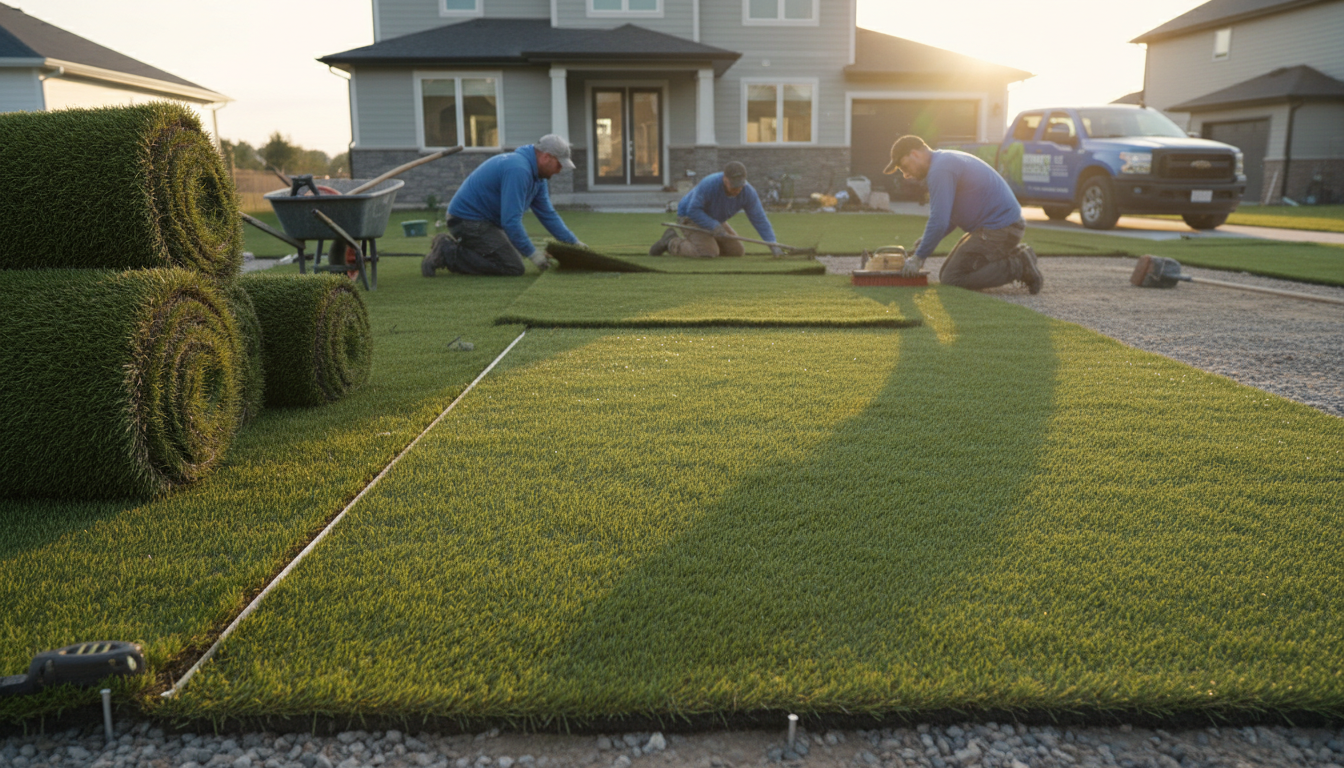
1. Proper Ground Preparation
Homeowners often build the best defence against ants before laying turf. Poor base preparation allows insects to enter more easily.
Best practices for Perth installations:
- Excavate at least 80–100mm of soil.
- Use a compacted road base and cracker dust to create a solid foundation.
- Install weed matting to act as a barrier.
- Seal all edges tightly with timber, concrete, or pavers.
Sealing the edges reduces the chances of ants moving into the turf in the first place.
2. Keeping the Surface Clean
Food scraps and rubbish are among the top reasons ants become active in student apartments, family backyards, and school yards.
Cleaning tips:
- Sweep or blow away crumbs after outdoor meals.
- Rinse turf with clean water monthly.
- Use a mild detergent on areas with sticky spills.
Maintaining a clean surface is one of the most straightforward steps to control artificial grass ants.
3. Using Infill Wisely
Experts often recommend silica sand infill to support turf fibres and reduce heat. However, in some cases, loose sand may encourage ants to build nests.
Perth-friendly approach:
- Use kiln-dried silica sand, which is heavier and less appealing to ants.
- Brush deeply into the fibres so it doesn’t sit loose on top.
- Consider alternative infills in high-risk ant zones.
4. Managing Surrounding Garden Beds
Sometimes ants are drawn from nearby garden beds into turf areas.
Best practices:
- Mulch garden beds to deter ant nesting.
- Avoid leaving pet food outdoors.
- Trim back overhanging plants where ants may nest.
By controlling the surrounding landscape, you can reduce the flow of ants into your synthetic lawn.
5. Natural Ant Control Options
For Perth property owners who want environmentally conscious solutions, there are natural ways to discourage ants without harsh chemicals.
- Boiling water: Carefully pour into visible nests.
- Vinegar and water spray: Breaks up ant trails.
- Cinnamon or peppermint oil: Works as a deterrent in small areas.
Student housing and family spaces where pets and children play often prefer these methods.
6. When to Consider Professional Help
Sometimes ant infestations can be too extensive to manage with household methods. If artificial grass ants keep returning, property managers may consider professional pest services.
The point is especially relevant for:
- Large university courtyards.
- Commercial complexes with high use.
- Apartment outdoor spaces with frequent food events.
Professionals may apply targeted treatments under the turf base to reduce colonies without damaging the synthetic surface.
Ant Prevention Checklist
| Step | Action | Why It Helps |
| 1 | Prepare a solid base during installation | Reduces access points |
| 2 | Install weed matting | Acts as a barrier |
| 3 | Seal turf edges | Prevents nesting under the sides |
| 4 | Brush and clean the turf regularly | Removes crumbs and debris |
| 5 | Use kiln-dried infill | Less attractive to ants |
| 6 | Control garden beds | Stops nearby spread |
| 7 | Apply natural deterrents | Manages small outbreaks |
Perth Climate Considerations
Perth’s hot, dry summers and sandy soils make ants more active. When managing artificial grass ants, consider:
- Increased activity in summer when ants seek shade under turf.
- Rain in winter may push ants above ground, creating visible mounds.
- Coastal winds can blow extra sand into lawns, which ants may use.
Awareness of local climate patterns helps you prepare for seasonal pest activity.
Frequently Asked Questions
Do ants ruin synthetic turf?
Not usually, but their nests can affect drainage and appearance.
Can I use a regular ant spray?
Some sprays are delicate, but always ensure they are safe for turf and nearby pets.
Will replacing infill stop ants?
Heavier silica sand or alternative infills may reduce activity.
Is artificial turf in Perth prone to ants?
Ants are common in WA’s sandy soils, but can be appropriately managed and cleaned.
Soft Guide: DIY vs Professional Solutions
DIY cleaning and natural deterrents are usually enough for smaller properties and light activity. Professional support may provide reassurance and more lasting results for larger Perth universities, commercial areas, or apartment complexes.
Both approaches can work, depending on the size of the area and the extent of the ant problem.
Final Thoughts
Artificial turf is a wise choice for Perth homes, schools, and apartments, but like any outdoor surface, it may attract ants from time to time. You can keep lawns safe, neat, and long-lasting by focusing on preparation, cleaning, and prevention.
Managing artificial grass ants doesn’t need to be complicated. With regular care and the proper steps, you can enjoy a pest-free outdoor space without losing the many benefits of synthetic turf.
Contact Artificial Grass Perth today for expert guidance on keeping your artificial turf in top shape. Our team can provide support tailored to local conditions and help you maximise your outdoor area.